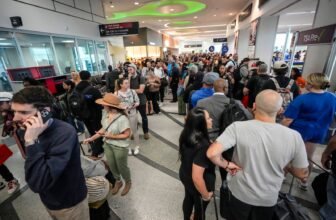
At any time when I fly, my mom all the time jogs my memory to rise up and stroll round to stop blood clots. I usually nod my head in response with none intention of following via.
But it surely seems Kathleen is not simply being a very cautious dad or mum — it’s best to truly prioritize motion when touring for sustained intervals of time.
“If you end up sitting for extended intervals throughout a flight in a good area, you may get some blood pooling within the veins of the decrease extremities, as your leg muscle mass are usually not as engaged to assist the blood pump,” says Dr. Allyson Pishko, a hematologist at Penn Drugs. “For many, this isn’t important sufficient to trigger a blood clot, however in sufferers who’re prone to blood clot formation, journey generally is a danger issue for clot formation.”
So, whereas the common particular person will not be susceptible to creating blood clots whereas touring, it is nonetheless useful to know what signs to look out for to keep away from the onset of deep vein thrombosis (DVT) and the steps to take to reduce its chance.
How does touring enhance the chance of blood clots?
“DVTs, [which are] blood clots that type in your decrease extremities, can happen with extended sitting — whether or not in a airplane, automotive or prepare,” says Dr. Jenny Yu, chief well being officer for RVO Health, which is owned by TPG’s dad or mum firm, Purple Ventures.
“The blood clots are most probably to happen both in an individual’s legs (deep vein thrombosis) or lungs (pulmonary embolism),” mentioned Dr. Andrew Peseki, a hematologist at Duke Well being.
In line with Peseki, whereas the opportunity of a travel-induced blood clot will increase on journeys of 4 hours or extra, the chance stays “gentle” for most individuals.
This was additionally supported by Dr. Jay Bishop, a vascular drugs specialist at Cleveland Clinic.
“Quick airline flights lower than 4 hours in all probability do not enhance the chance of blood clots, and even flights over 4 hours have a small general danger,” mentioned Bishop.

Day by day Publication
Reward your inbox with the TPG Day by day publication
Be part of over 700,000 readers for breaking information, in-depth guides and unique offers from TPG’s specialists
What makes you extra more likely to develop blood clots?
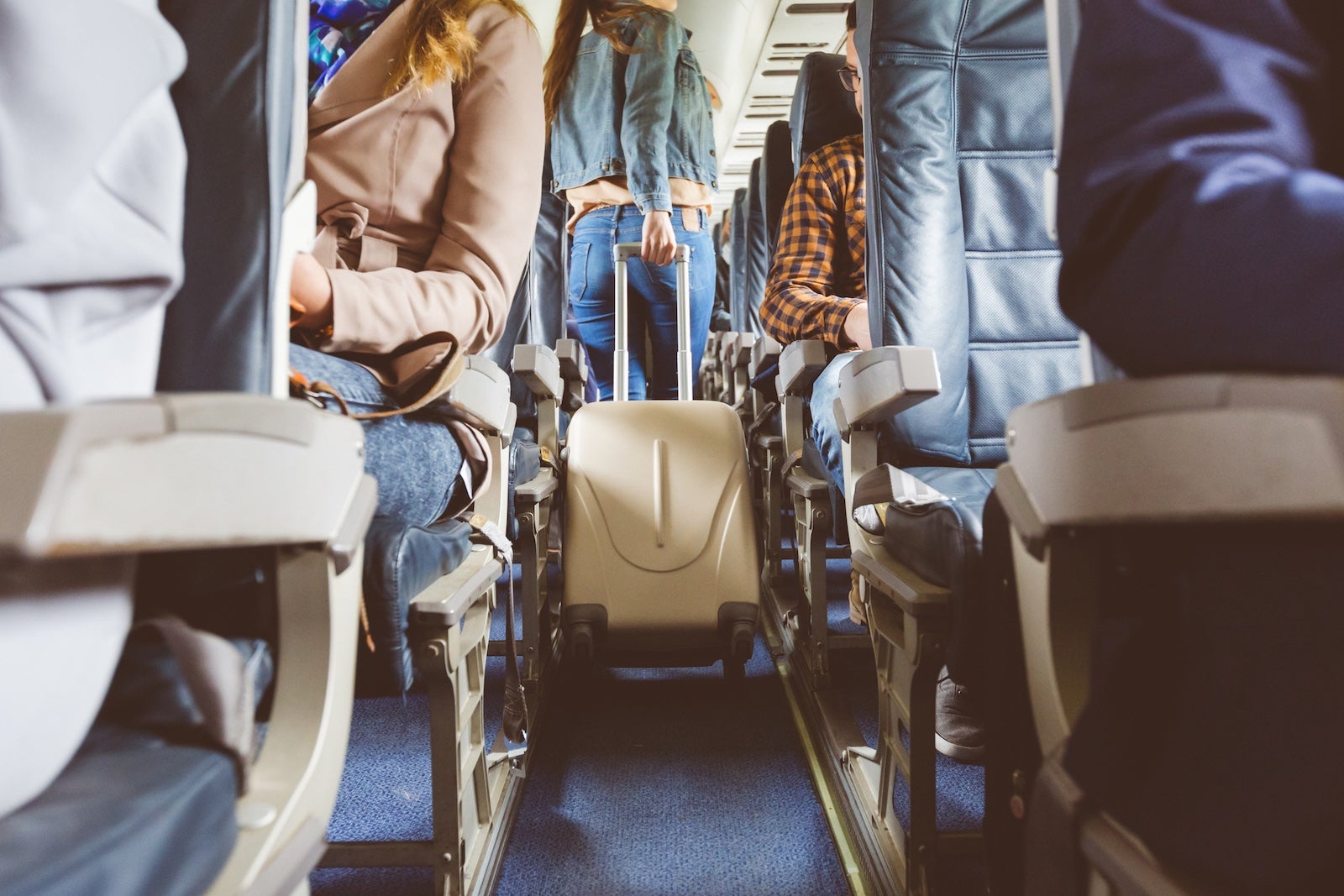
A number of components could make an individual extra prone to creating a blood clot, together with preexisting situations reminiscent of blood clot issues, latest surgical procedure or damage, most cancers therapies, older age, weight problems, use of estrogen-containing contraception or hormone alternative remedy, being pregnant and restricted mobility, amongst others.
“The widespread themes with [all of these] is thickened blood and stagnation,” Yu famous.
When you fall into certainly one of these classes, take additional precautions to assist forestall blood clots and hold an eye fixed out for any signs.
What are the signs of a blood clot?
Realizing you may have a blood clot could be difficult, as you possibly can usually write off the signs as one thing else — however there are just a few key warning indicators to concentrate to when touring. When you expertise these signs, it’s best to search medical assist instantly, particularly if one leg feels it greater than the opposite.
“Swelling, ache, discoloration, heat of the pores and skin of your decrease or higher extremities are indicators of a blood clot,” mentioned Dr. Yu. “Shortness of breath, chest ache, elevated coronary heart charge and cough ought to trigger somebody to hunt consideration.”
Yu additionally famous that somebody may have signs of a pulmonary embolism with out the signs of deep vein thrombosis.
For instance, when TPG’s former social media director developed a blood clot during a six-hour flight house from Iceland, she awakened with aching calves and felt dizzy, scorching and lightheaded.
When you expertise any of those signs throughout a flight, inform the airline crew instantly.
How are you going to forestall a blood clot?
Now you realize what signs to search for — however what vital steps can you’re taking to keep away from getting a blood clot within the first place?
As is all the time the case with touring, it’s best to make it a precedence to remain hydrated, since dehydration can thicken your blood and gradual circulation.
“Goal to drink 90 to 120 ounces of water per day and keep away from extreme caffeine or alcohol, which may contribute to dehydration,” mentioned Jessica Lefkowitz, PT, DPT from Bespoke Physical Therapy Times Square. “The adjustments in altitude and strain throughout air journey can even have an effect on your hydration ranges, so be conscious of ingesting water all through your flight.”
The second tip is to your hold your extremities transferring, as my mom tells me to do.
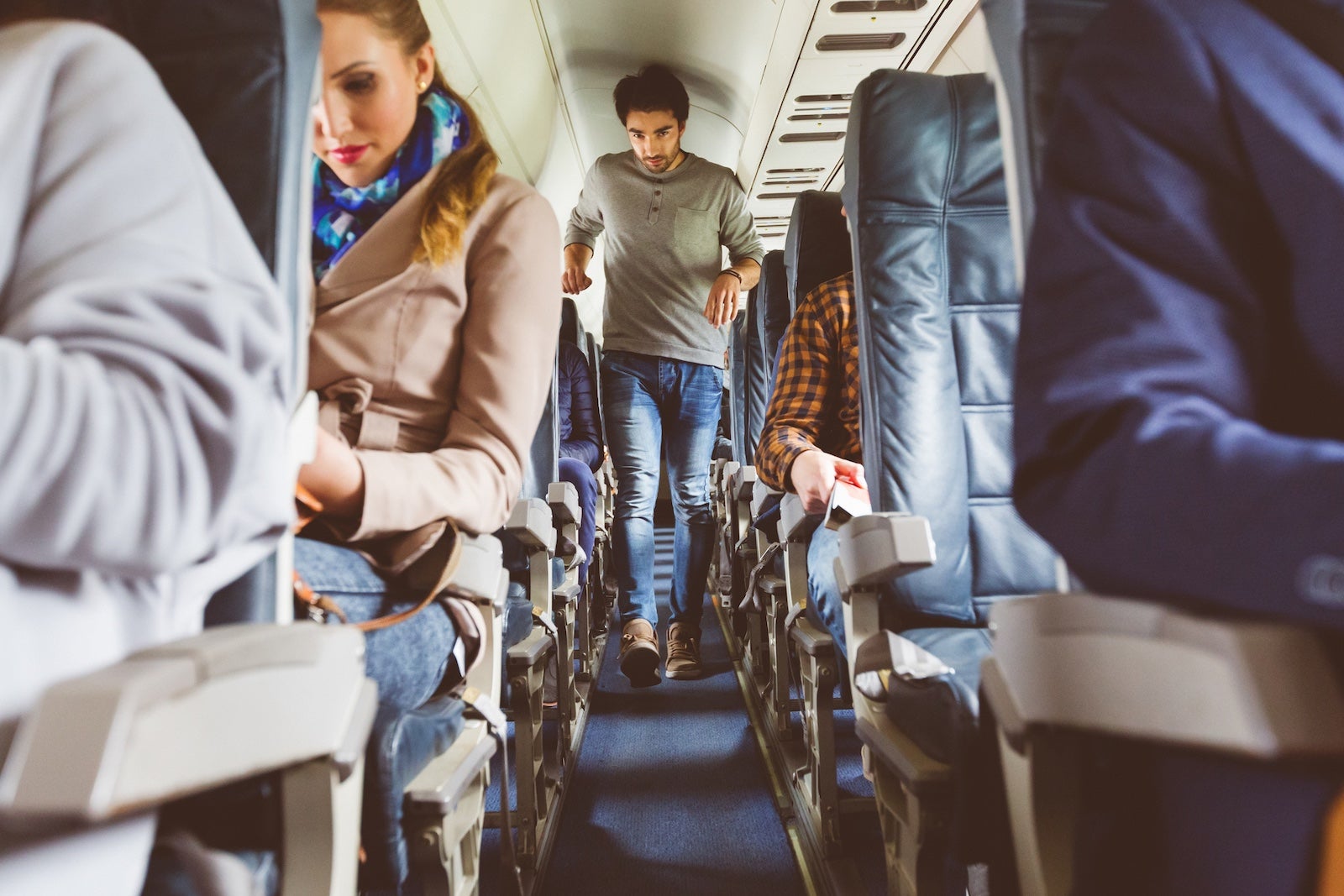
“This may embrace stopping extra ceaselessly and strolling round if driving or getting up and doing just a few laps within the aisles of an airplane each two hours,” recommends Dr. Peseki.
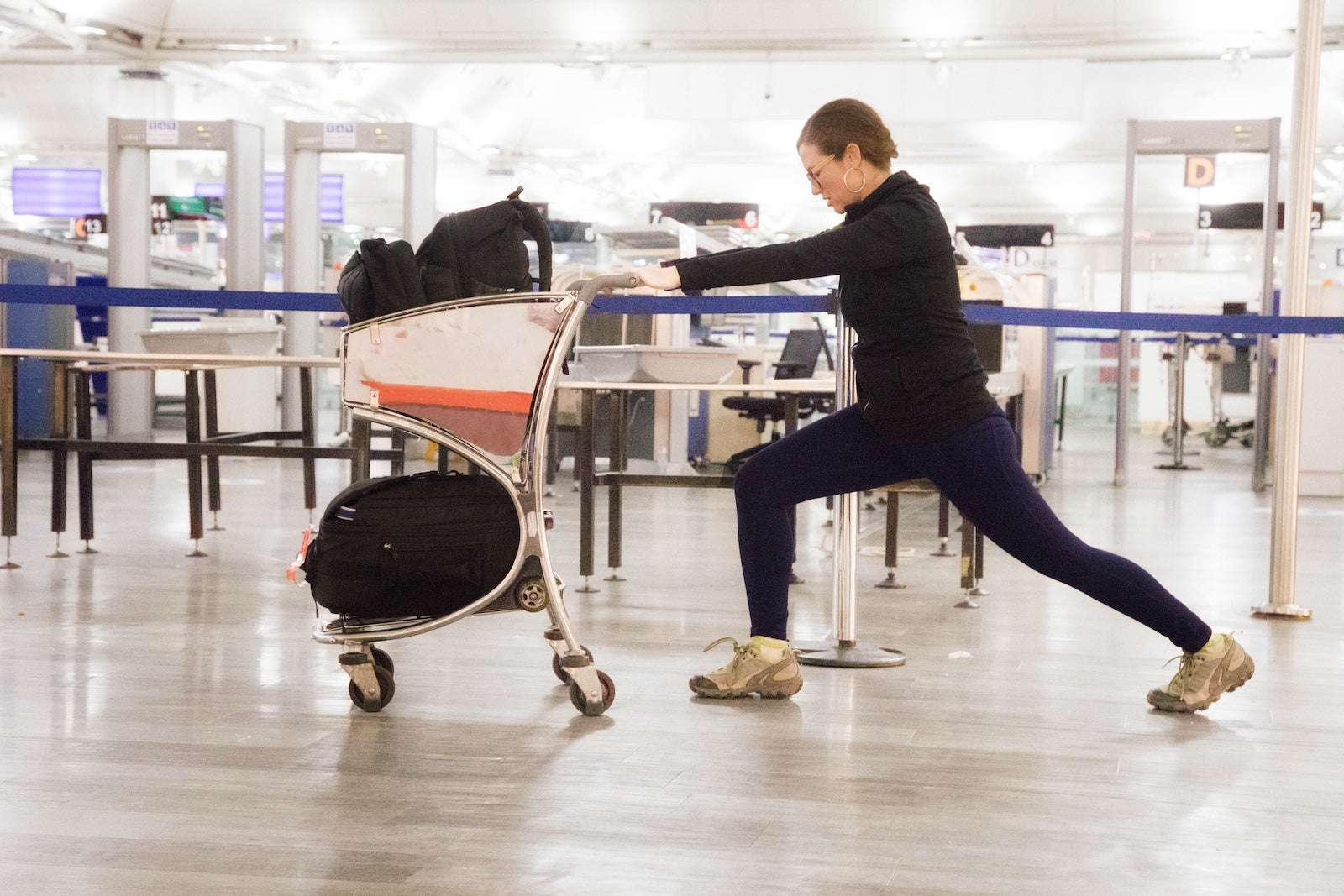
Lefkowitz additionally suggests stretching — particularly your calves, hamstrings, quadriceps and hip flexors — to advertise blood circulate.
I take into consideration this on all journey days. I am going to work out earlier than the flight and take a stroll to get some additional steps in. When you have an early morning flight, even a stroll on the airport earlier than boarding is best than nothing. I additionally attempt to stand as a lot as doable forward of boarding in anticipation of sitting for some time.
“Doing easy physique workout routines whereas seated is useful, together with neck rolls, shoulder stretches, ankle circles, foot pumps and knee to chest stretching,” mentioned Dr. Bishop at Cleveland Clinic.
In case you are a traveler in danger for blood clots, seek the advice of your physician forward of journey to see if they’d suggest taking a low dose of a blood thinner, reminiscent of child aspirin, advises Yu.
“Carrying knee-high compression socks can help blood circulation by aiding blood return from the toes to the guts,” says Lefkowitz. “The adjustments in altitude throughout flight can enhance swelling and fluid retention within the legs, and compression socks can assist scale back this.”
Some TPG workers favorites embrace:
And naturally, for vacationers who’ve a historical past of blood clots or are presently on treatment to stop such, Dr. Pishko advises taking treatment earlier than journey and packing it in their carry-on.
Backside line
Sure individuals are extra susceptible to creating blood clots throughout flying. When you have preexisting situations or a household historical past of blood clots, make sure you seek the advice of your physician for particular recommendation when touring.
Sure steps, like hydration and preflight motion, are useful for all vacationers in minimizing the chance of creating a blood clot.
Associated studying:
Trending Merchandise