
There are few issues we dislike extra at TPG than pointless charges — together with overseas transaction charges.
You’ll have observed that once you use some bank cards overseas (or on a web site not hosted within the U.S.), a further price is added to every buy.
Let’s focus on what these charges are and how one can keep away from them sooner or later.
Associated: Best cards with no foreign transaction fees
What Is a overseas transaction price?
International transaction charges are charged on sure playing cards once you make a purchase order that goes by an abroad financial institution to course of the transaction.

While you full a transaction whereas touring or by a overseas web site, banks could should convert the acquisition into U.S. {dollars}. On some bank cards, issuers will then cross the conversion price onto customers.
Associated: The best business credit cards with no foreign transaction fees
How a lot are overseas transaction charges?
Visa and Mastercard cost banks a 1% price for processing purchases made overseas, and lots of U.S. issuers tack on a further 1-2% price. The usual overseas transaction price tends to be round 3%. Nevertheless, Capital One and Discover are distinctive in having zero foreign transaction fees throughout all their bank cards.
Which playing cards don’t have any overseas transaction charges?
A lot of the top travel credit cards do not cost overseas transaction charges. In reality, it is uncommon for a card that provides journey rewards and perks to cost any overseas transaction charges.

Every day Publication
Reward your inbox with the TPG Every day e-newsletter
Be a part of over 700,000 readers for breaking information, in-depth guides and unique offers from TPG’s consultants
Whereas some issuers cost overseas transaction charges of round 3% on a few of their merchandise, you must take into account Capital One or Uncover playing cards since they do not cost overseas transaction charges on any of their playing cards.

Card issuers are required to present potential and current prospects entry to charges and charges related to a bank card, together with overseas transaction charges. Test the phrases and situations of your bank card to see whether or not or not your card (or the cardboard you are contemplating making use of for) expenses overseas transaction charges.
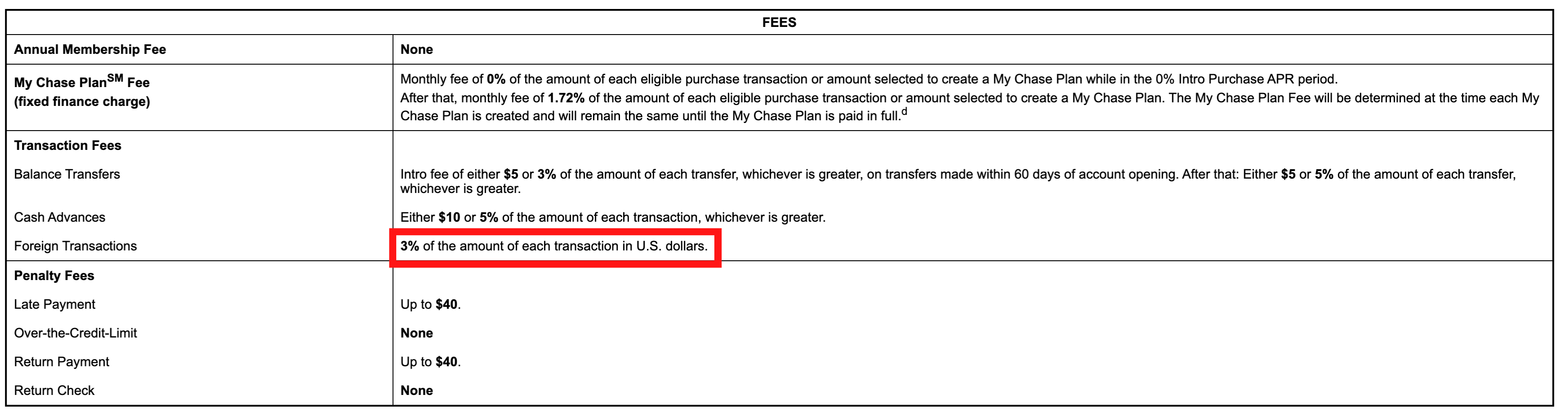
When a charges and charges desk, the overseas transaction price is often listed explicitly beneath a charges part.
Associated: How to choose a no-foreign-transaction-fee credit card
International transaction charges vs. ATM charges
One other kind of price you might hear about once you journey is a overseas ATM price. Whereas the 2 charges can apply when touring exterior the U.S., they aren’t synonymous.
A overseas ATM price is charged once you withdraw money from an ATM in another country. Some banks waive this price, particularly for those who use an ATM that falls inside a selected community of banks.
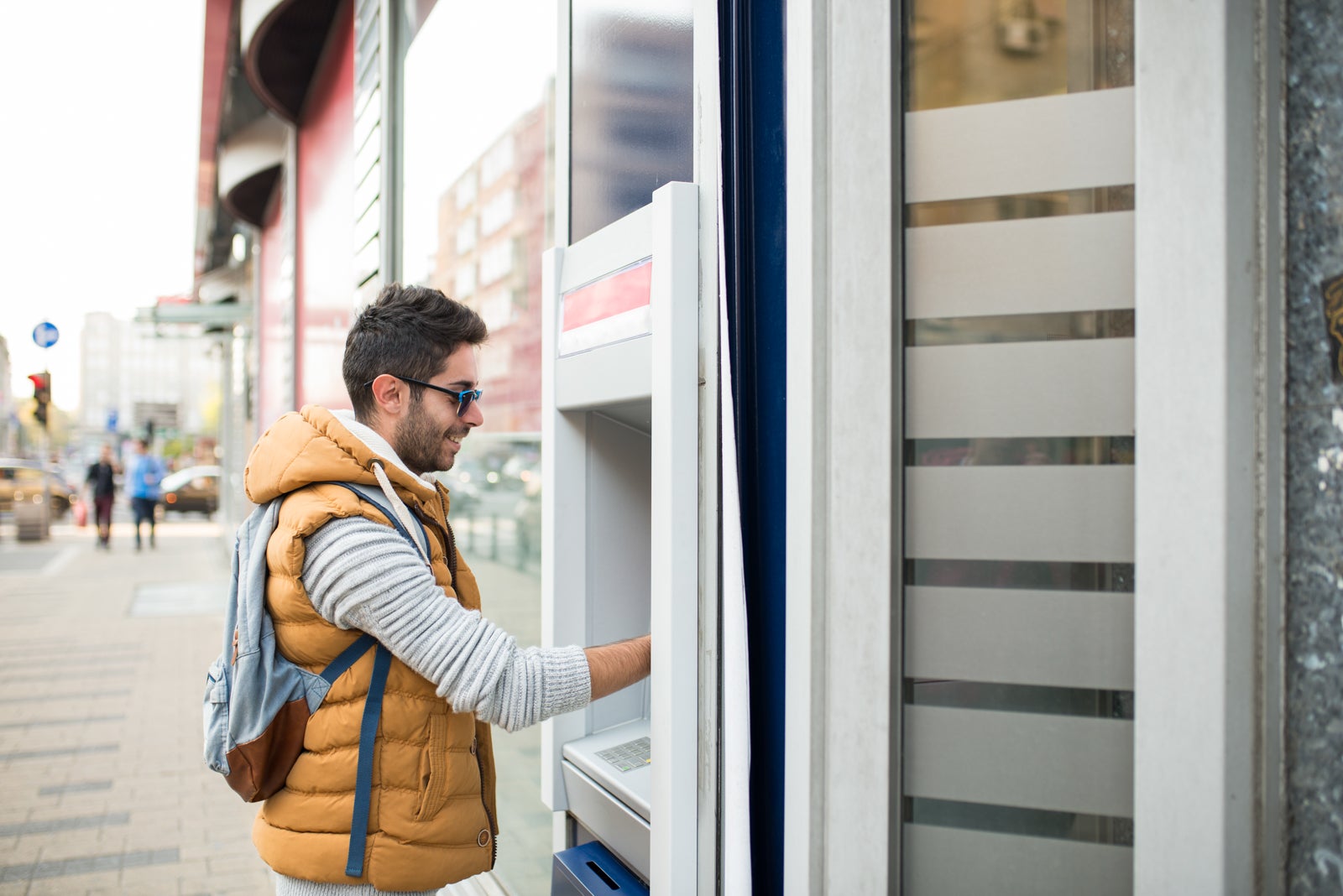
Moreover, you may be on the hook for added charges once you use an ATM overseas, together with a flat price out of your financial institution for utilizing an ATM not affiliated with the financial institution (which is often $5), a overseas foreign money conversion price (which usually falls in keeping with overseas transaction charges at 3%) and extra charges charged by the proprietor of the particular ATM you utilize.
That is one cause we advocate paying with a bank card wherever doable. However in some locations, money continues to be king and you may must have a recreation plan for avoiding these kind of charges — or issue them into your price range.
Associated: Ways to save on overseas ATM withdrawals
How you can keep away from overseas transaction charges
Use a card with no overseas transaction charges
The best technique to keep away from overseas transaction charges is to make use of a card that does not cost them. TPG has a repeatedly up to date information on the top credit cards with no foreign transaction fees that may enable you to select the perfect playing cards on your journeys.

Sadly, cash-back cards such because the Chase Freedom Unlimited® and the Blue Cash Preferred® Card from American Express (see rates and fees) are inclined to cost overseas transaction charges.
Associated: The pros and cons of cash-back credit cards
Keep away from ‘dynamic foreign money conversion’
When utilizing a card terminal overseas, you might be prompted to pay within the native foreign money or in U.S. {dollars}. You must all the time select the native foreign money.

Dynamic foreign money conversion is a sneaky approach that banks encourage you to pay in your house foreign money (U.S. {dollars}) whereas overseas. Nevertheless, they will often offer you a poor conversion price, so it is best to pay in euros, pesos or whichever is the native foreign money.
Associated: Why you should avoid dynamic currency conversion
Pay with money
After all, you will additionally keep away from overseas transaction charges by paying with money.

Nevertheless, these purchases won’t earn you rewards, and withdrawing money overseas could also be topic to pesky charges.
Associated: How to decide when to use cash or miles for buying airline tickets
Backside line
The excellent news is that overseas transaction charges are a lot much less widespread throughout top credit cards than they was once. Hopefully, the business as a complete is transferring away from charging prospects these kind of charges. Till then, test your bank card’s phrases and situations to know for those who’ll be on the hook for a price once you’re touring — and plan your card utilization accordingly.
To keep away from overseas transaction charges, select a prime journey rewards card or one from Capital One or Uncover. Additionally, all the time pay within the native foreign money somewhat than U.S. {dollars} to keep away from poor conversion charges.
Associated: Best travel rewards cards
For charges and charges of the Blue Money Most popular card, click on here.
Trending Merchandise